Hiring a custom home general contractor in Virginia determines whether your build finishes on budget or spirals into change orders and missed deadlines. Between county-by-county permitting rules, humid-climate construction demands, and a contractor licensing system that just raised its dollar thresholds in 2025, the stakes of this one hire are higher than most homeowners expect. Here's exactly what to check before you sign a contract.
What a Custom Home General Contractor Actually Does
Most custom builds rely on three core players: an architect or designer, a general contractor, and often an interior designer. Of the three, the general contractor is the hire that determines whether your day-to-day experience is smooth or stressful, because they're the one on-site every day coordinating everyone else.
The architect translates your vision into construction-ready blueprints that meet the Virginia Uniform Statewide Building Code: structural calculations, energy compliance, and dimensioned drawings a permit office can approve. The general contractor takes those drawings and makes them real. They hire and schedule subcontractors, order materials, manage inspections, and keep the sequence moving in the right order.
One designs the home on paper. The other builds it in the field.
How to Vet a Custom Home General Contractor in Virginia
Finding the right custom home general contractor Virginia homeowners can trust takes more than a quick search. Think of the GC as the conductor of an orchestra. Every subcontractor, inspector, and supplier has to move in sync, and a good contractor keeps your expectations realistic along the way.
Start with licensing, and know that the numbers changed recently. Virginia's Board for Contractors raised its monetary thresholds effective mid-2025, so a contractor quoting old limits from an outdated guide is a small but telling red flag. Class A contractors now cover any single contract or project worth $150,000 or more, or any contractor whose total construction volume in a 12-month period reaches $1 million or more . A builder who can't speak to their current class and classification hasn't kept up with their own paperwork.
County-specific experience matters more than most buyers realize. A contractor who regularly builds in your county already knows the permitting staff, typical review timelines, and local HOA quirks, and that familiarity alone can shave weeks off a project. Before signing anything, review the builder's past custom-home portfolio, not just spec homes or renovations.
A short, structured comparison helps cut through sales pitches:
| Vetting Question | Why It Matters |
|---|---|
| What license class do you hold, and does it match this project's value? | Determines the contract value they're legally allowed to perform |
| Can you provide proof of current insurance and bonding? | Protects you if there's an accident or incomplete work |
| Which subcontractors do you use regularly? | Established trade relationships mean more reliable scheduling |
| Can I speak with references from similarly scoped homes? | A $300K spec home doesn't predict performance on a $700K custom build |
| How many projects are you currently juggling? | Overbooked contractors mean slower response times for you |
| How do you handle allowances and change orders? | Tells you how honestly the budget will hold up mid-build |
Treat this table as a starting conversation, not a checklist to rush through. A contractor's answers, and how transparently they give them, tell you as much as the answers themselves. Reviews matter here too, but weigh them carefully: a 5-star average means little without reading the comments on communication, schedule accuracy, and how disputes got resolved.
For homeowners ready to talk specifics, start a conversation with our team about your project scope and timeline.
Budget and Land: The Two Decisions That Shape Everything
Before a single phone call to a contractor, smart homeowners lock in a realistic budget and confirm the land can actually support the home they're picturing. Skipping this groundwork is one of the most common reasons custom builds in Virginia run over cost or stall mid-permit.
A typical Virginia custom home budget breaks down roughly like this:
| Budget Category | Share of Total Budget |
|---|---|
| Land | 15-20% |
| Site work and foundation | 10-15% |
| Framing | 15-20% |
| Plumbing, electrical, and HVAC | 15% |
| Interior finishes | 20-25% |
| Permits and fees | 5% |
| Contingency fund | 10%+ |
Costs shift significantly by region. Northern Virginia land and labor run noticeably higher than Central or Southwest Virginia. Rural lots add another wrinkle: if the property needs a private well and septic system instead of public utilities, expect a meaningful premium on site work, sometimes tens of thousands of dollars before framing even starts. Building in that contingency fund isn't optional. It's what keeps a surprise from becoming a stalled project.
Not every attractive lot is a buildable one. Before falling for a piece of land, confirm zoning allows a single-family home and check for covenants that might restrict size, style, or setbacks. Terrain, soil composition, and tree cover all affect cost. Steep grades mean more excavation, poor-draining soil complicates foundation and septic design, and heavy wooded lots add clearing expense. A quick perc test and a conversation with the county zoning office before closing on land can save months of headaches later.
Transparent Pricing and Clear Estimates
Builder allowances, the placeholder budgets for cabinets, flooring, fixtures, and countertops, are standard practice, but they can also make an estimate look artificially low. A contractor might budget $8,000 for cabinetry when a realistic selection in your style actually runs $15,000, and that gap shows up as a change order mid-build.
In our own work across the DMV, allowance gaps on cabinetry and millwork alone often run several thousand dollars higher once a client settles on a specific finish level. It's rarely dishonesty. It's usually an allowance that was never updated after the first design meeting.
When reading a Virginia GC's estimate, ask what specific products or grade level each allowance assumes. A vague "kitchen cabinets: $8,000" line is a red flag. A detailed one referencing a specific product line or square-footage estimate is a good sign. Pricing transparency upfront almost always predicts how honestly change orders get handled later.
Permits and Virginia's Building Code Maze
Permitting is one of the most jurisdiction-dependent parts of building in Virginia. Requirements, fees, and review timelines vary county by county, which is exactly where a contractor's local familiarity pays off.
Homeowners often want big open living areas and oversized windows, but those choices carry structural and energy-code implications the architect and GC must reconcile: load-bearing adjustments, insulation values, and egress requirements all factor in. Permitting and site work also take longer in counties where septic systems or significant grading are involved. A contractor with current local experience knows which approvals typically take longest and plans the schedule around it instead of getting caught off guard.
Before breaking ground, most custom builds need four approvals:
- A county building permit
- Health department approval for a septic system, following a perc test
- Confirmation of zoning compliance
- An erosion and sediment control plan for larger lots
Permit fees and review timelines vary by jurisdiction. Some counties process straightforward residential permits in two to four weeks, while others with heavier backlogs or septic and grading components take six weeks or more. Rather than assuming "it varies," ask your GC for the specific timeline their last few permits took in your target county. For the statewide code requirements behind these approvals, the Virginia Department of Housing and Community Development administers the Uniform Statewide Building Code that every county permit office enforces.
Material Quality and Long-Term Construction Standards
Construction quality has a lasting impact long after move-in day. Ask specifically what products your contractor uses for framing, insulation, windows, and roofing. These choices drive energy efficiency, durability, and how much maintenance the home needs over the next 20 years.
Virginia's humid summers and variable soil moisture make material selection especially consequential. Poor moisture management in framing or insulation can lead to mold or structural issues down the road. The National Association of Home Builders publishes technical notes on insulation, ventilation, and moisture control worth reviewing before you compare bids line by line.
The same scrutiny applies to the finish-level work that makes a custom home feel custom. If kitchen cabinetry, bathroom design, furniture-grade millwork, or stone surfaces are part of your scope, ask whether your GC builds these in-house or subs them out entirely. Either can work, but the answer affects both quality control and your change-order process.
Communication and Project Management
Communication is one of the most overlooked factors homeowners weigh when choosing a builder, and one of the most common sources of regret when it's missing. Before signing a contract, ask how often you'll receive updates, who your single point of contact is, and how change orders get documented and approved.
A contractor who can't clearly answer "how will I know what's happening on my project week to week" is telling you something important. Clear, proactive communication on routine decisions prevents the expensive miscommunications that show up later as disputes over scope or cost.
The Build Sequence: From Permit to Move-In
Once permits clear, the GC mobilizes crews and the visible part of construction begins. Construction generally follows a set sequence:
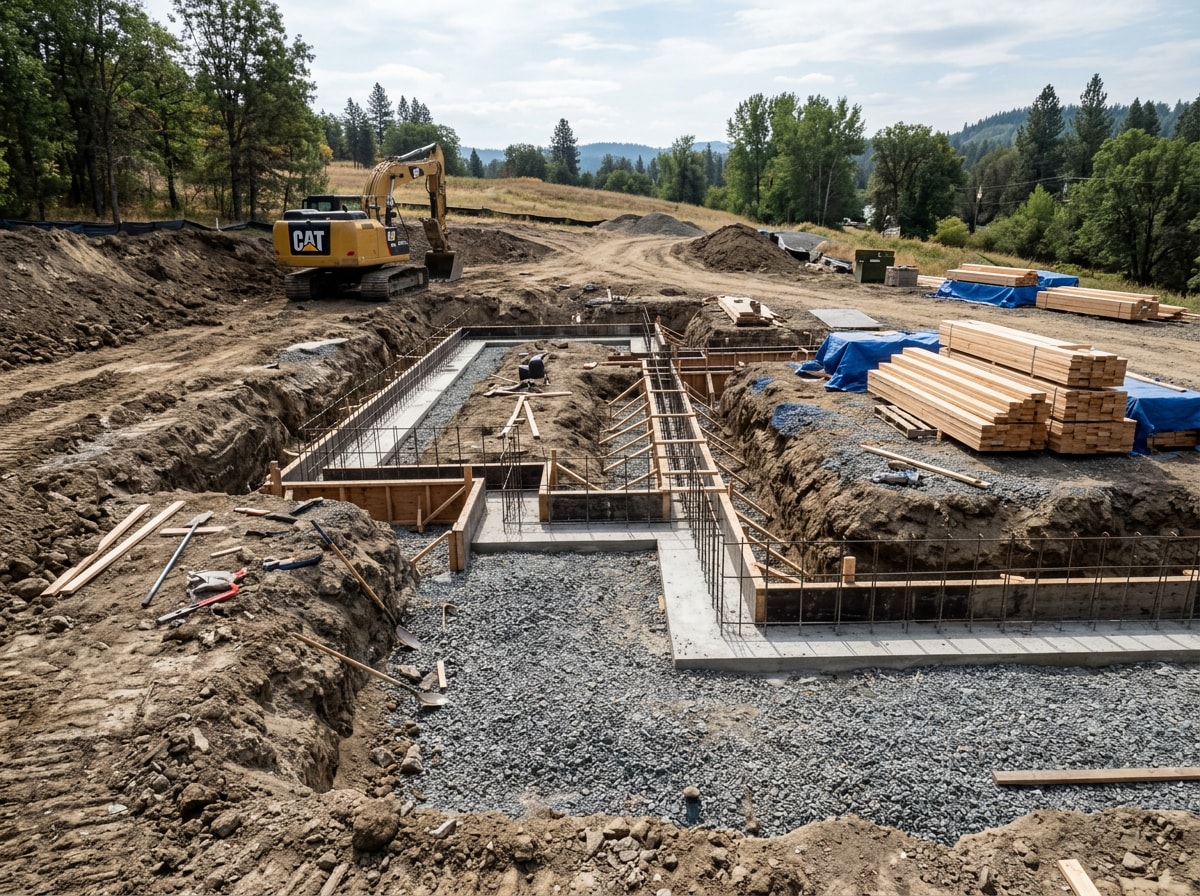
- Site prep and foundation work: clearing, grading, footings, and the foundation pour
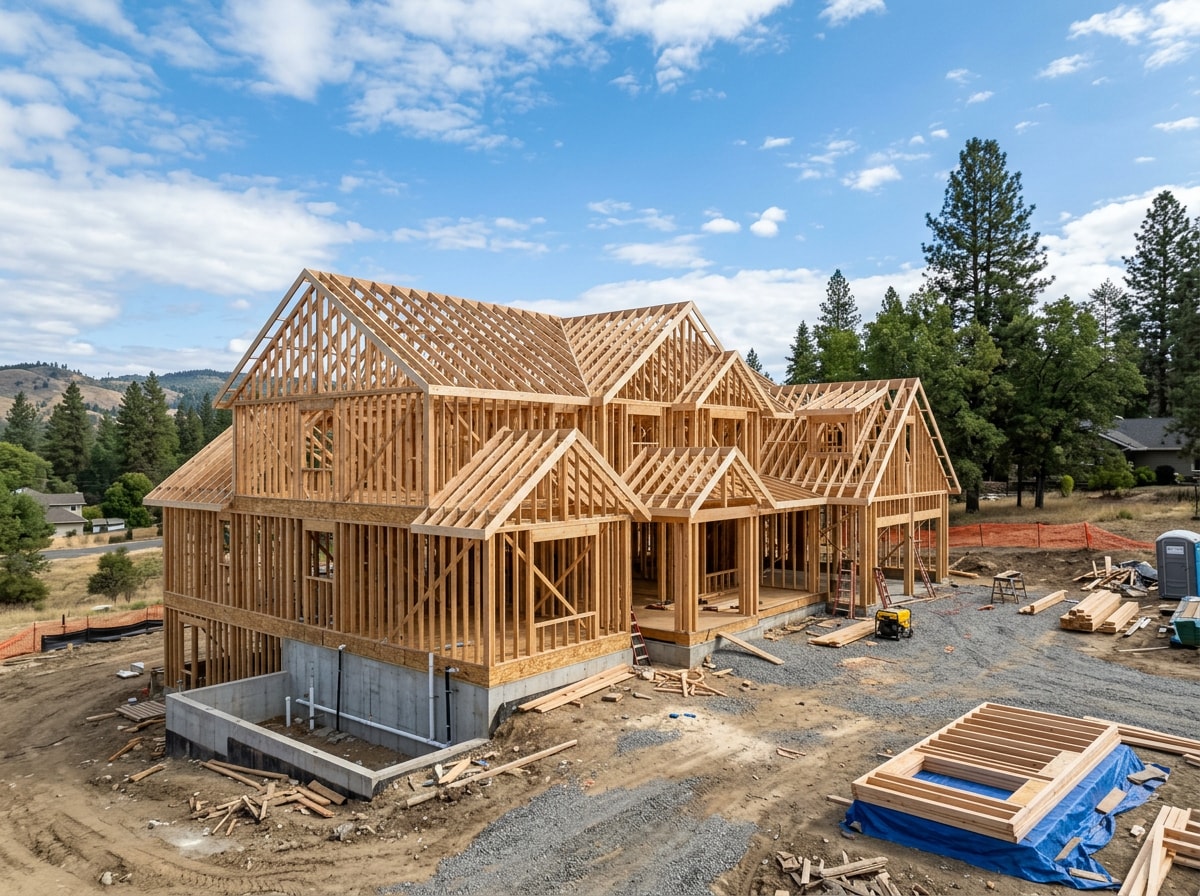
- Framing: walls, roof trusses, and sheathing
- Mechanical rough-ins: plumbing, electrical, and HVAC, each requiring county inspection before the next step proceeds
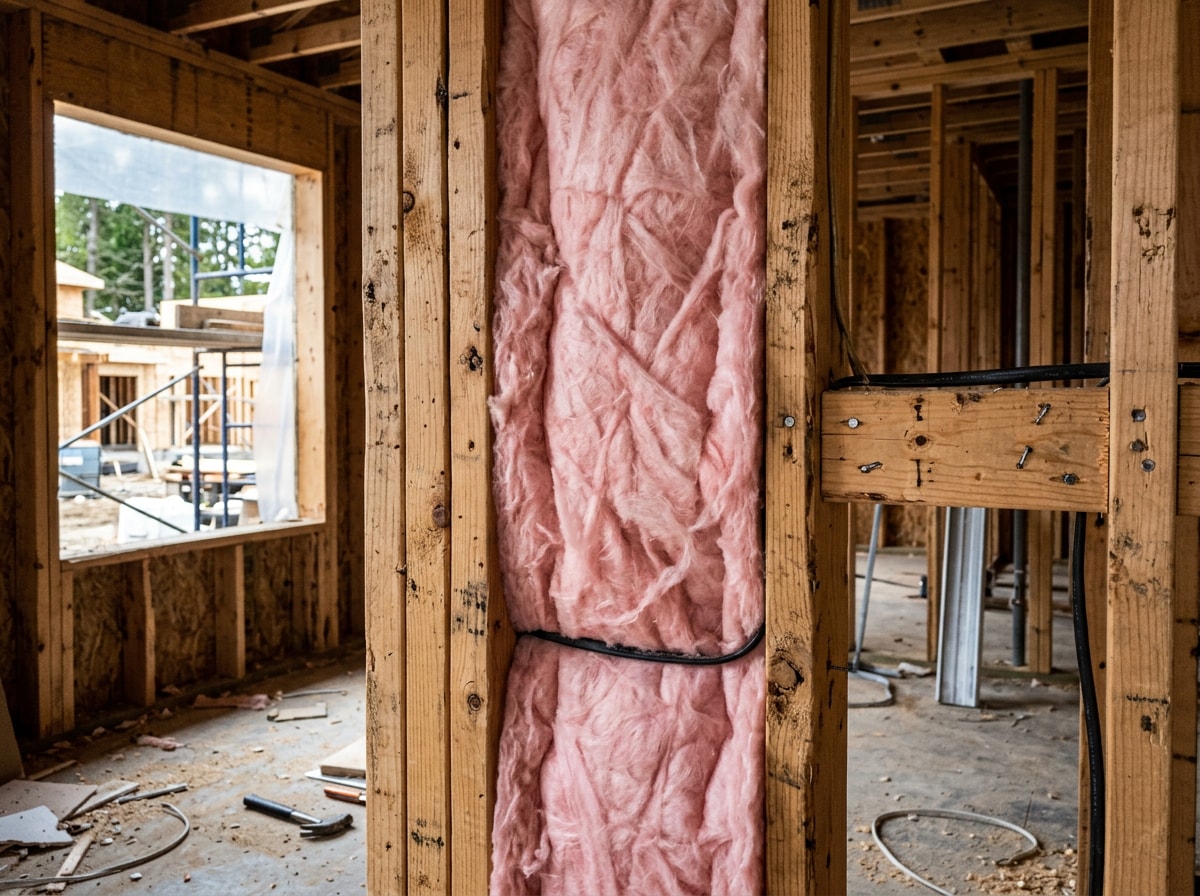
- Insulation and drywall
On rural lots, this stage also includes well and septic groundwork, plus grading designed specifically for drainage before the foundation forms go in. Each phase typically needs a passed inspection before crews move forward, which is part of why a contractor's relationship with local inspectors genuinely speeds things along.
Making the Right Choice for Your Project
Pulling the earlier criteria together, the strongest Virginia custom home builds come from contractors who are transparent about pricing and allowances, organized about permitting and scheduling, thoughtful about material quality, and consistent about communication. No single factor guarantees a smooth build, but a contractor who scores well across all four is worth prioritizing over one who simply offers the lowest bid.
Before signing a contract, revisit the vetting table above, confirm license and insurance documentation in writing, and make sure the payment schedule ties to completed milestones rather than arbitrary dates.
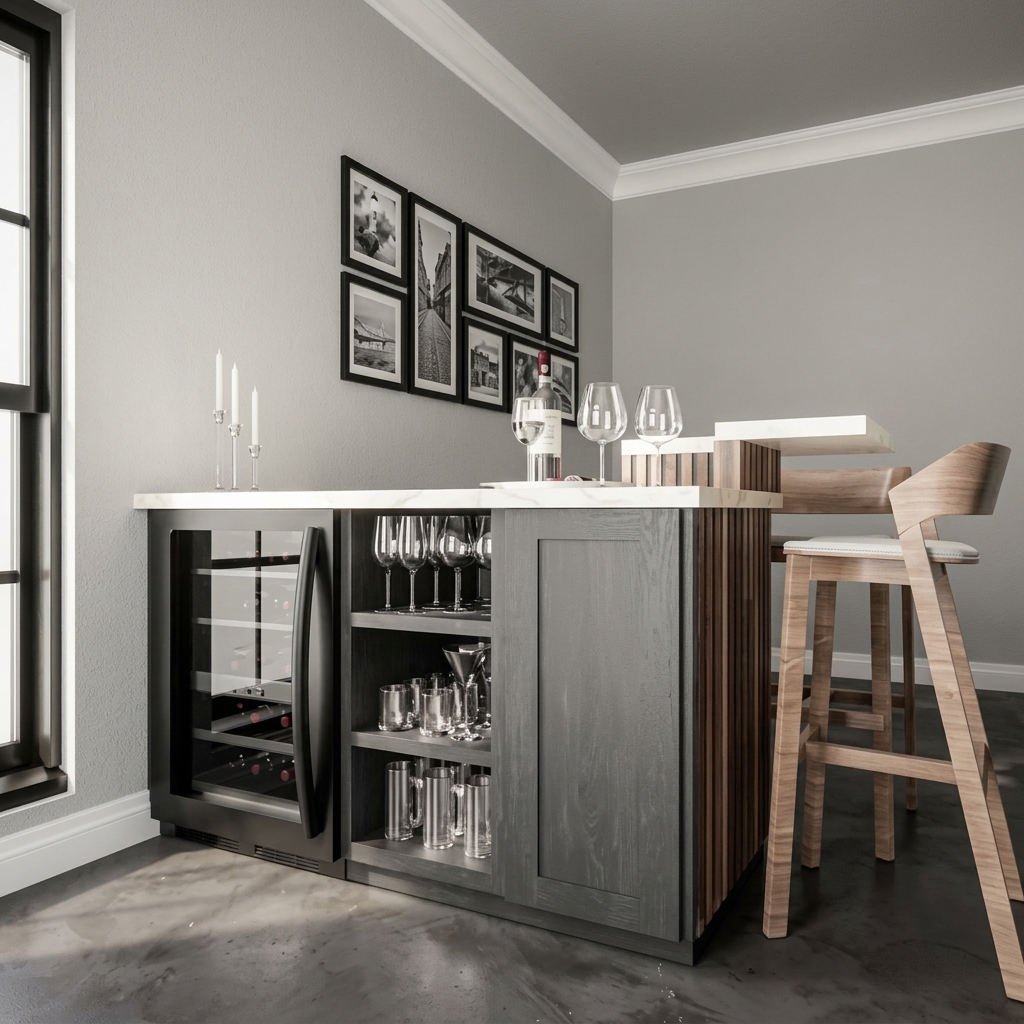
If your project includes a signature space, like a custom luxury wine cellar, an upscale bar, a custom sauna, or a luxury basement renovation, make sure your GC has specific experience with that scope. These spaces have their own structural, climate-control, and finish requirements that a generalist contractor may not have handled before. Start Your Cellar Project if that's part of what you're building.
About Wine Cellar Company
Wine Cellar Company is led by Alex Hinson, founder and owner, and Lisa Weiss, a Class A licensed general contractor in Virginia and co-owner, who heads design and space planning. Together they've managed signature-space and luxury-interior builds across Virginia, Maryland, and Washington, D.C. You can see the full range of that work on our Signature Spaces and Luxury Interiors pages, or visit our homepage for an overview of how we work alongside architects and general contractors on new builds. We serve clients building in Virginia, Washington D.C., Maryland, and Delaware.
Frequently Asked Questions
How Do I Choose the Right Home Builder for My Project?
Look for local experience in your specific county, clear and consistent communication, strong craftsmanship visible in past work, proper state licensing, and a process that fits your project's scope. A team that can guide both design and construction decisions tends to produce fewer costly surprises than one handling construction alone.
How Do I Compare Two Custom Home Builders?
Put their proposals side by side and check four things: what's included, what's excluded, which line items are allowances versus fixed pricing, and how each handles change orders. The lowest number on paper often hides the largest allowance gaps.
How Important Are Online Reviews When Choosing a Builder?
Useful, but only if you read past the star rating. Look for comments on communication, budget accuracy, and schedule performance, and ask to speak with clients who finished a project in the last year. Older reviews may not reflect the team currently running jobs.
Why Choose a Design-Build Firm Instead of a Separate Architect and Contractor?
A design-build firm keeps design and construction under one roof, which improves communication and catches scope conflicts earlier in the process. Instead of an architect and GC negotiating changes separately, one team manages the project from initial concept through the final walkthrough, often with fewer delays.
Do You Need a Contractor License in Virginia?
Yes. Virginia requires a state contractor license issued by the Board for Contractors under the Department of Professional and Occupational Regulation for most construction contracts above a set dollar threshold. The license is issued to the business entity itself, not an individual employee, so confirm the license is current and matches the company name on your contract.
How Much Does It Cost to Build a Custom Home in Virginia?
Costs vary widely, but many custom builds in Virginia fall somewhere between $150 and $350 per square foot, depending heavily on finishes and region. Northern Virginia projects typically sit at the higher end of that range, while Central and rural Virginia builds often land lower due to reduced land and labor costs.
Can You Act as Your Own General Contractor in Virginia?
Virginia offers an owner-occupant exemption that lets you pull permits for your own primary residence without a contractor's license, as long as you live in the home once it's complete. Licensed trades, including electrical, plumbing, HVAC, and gas work, are still legally required regardless of who manages the overall project, so most owner-builders still subcontract those pieces to licensed professionals.