

Hiring the right site preparation contractor in Maryland decides whether your foundation sits on stable ground or starts shifting within a year or two. Clay-heavy soils, heavy spring rainfall, and county-by-county grading rules make this the highest-risk phase of any new build, addition, or major basement project. This guide walks through the real process, the permits nobody mentions until it's too late, and the costs to budget before a single tree comes down.
Why Professional Site Preparation Matters
Maryland's clay-heavy soils, seasonal rainfall, and county-specific drainage rules make site work far riskier to handle without an expert than it looks from the curb. Skipping proper grading or hiring an unqualified crew can let soil shift under a new foundation within a year or two, leading to cracked slabs, standing water, and failed inspections.
A qualified site preparation contractor in Maryland understands how local soil types react to excavation, how to route water away from a building pad, and which permits a project needs before equipment ever touches the ground. Professional site prep isn't a cosmetic step, it's the groundwork for foundation stability, literally. Projects that cut corners here tend to pay far more later, in repairs, re-grading, or stalled permits.
Across the custom builds and major renovations we've supported throughout Maryland, Virginia, and Washington D.C., the projects that stay on schedule are almost always the ones where site work was planned, permitted, and inspected correctly the first time.
What Site Preparation Services Include
Maryland site preparation is rarely one task. A typical project bundles several services into a single, sequenced scope of work. Here's what each piece actually involves.
Grading and Leveling
Grading shapes land so water moves away from the building pad instead of pooling against it. A grading contractor uses heavy equipment to cut high spots and fill low ones, creating a level, compacted base that supports a foundation without uneven settling. In Maryland, where clay soil holds water and spring rainfall is heavy, proper land leveling also cuts erosion risk during construction. Rushing this step is one of the most common reasons new foundations develop cracks within the first few years.
Excavation and Drainage
Excavation services dig out space for foundations, basements, and utility lines, but the real value shows up in what happens alongside the digging. Contractors install drainage systems, French drains, swales, or underground piping, to manage groundwater and stormwater before they become a problem. Foundation excavation has to account for frost depth and soil type, both of which vary across Maryland counties. Done right, these systems quietly protect a structure for decades; done poorly, they surface later as a wet basement or a foundation that shifts after a heavy storm.
Stump Removal & Grinding
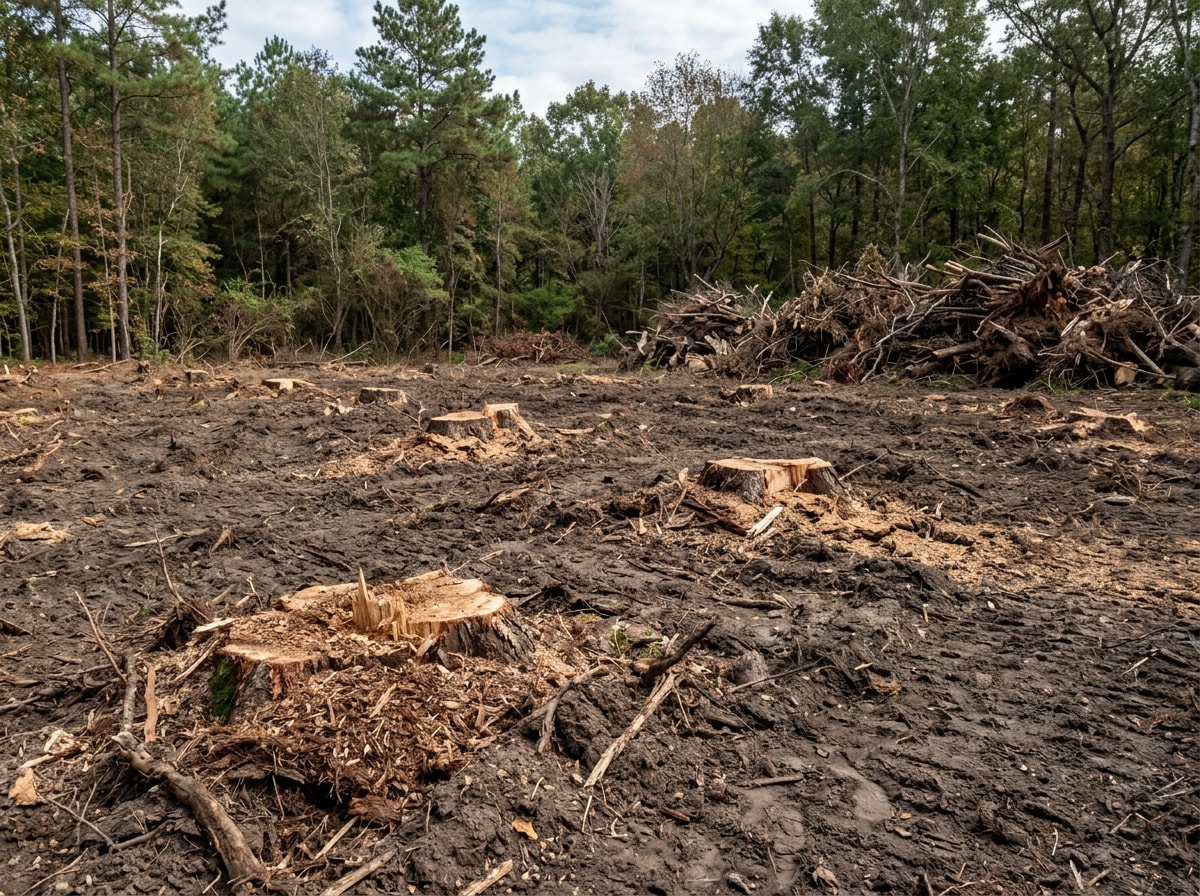
Before grading equipment can move efficiently across a lot, tree stumps, roots, and brush need to come out first. Stump grinding breaks stumps down below grade so they won't interfere with future grading, utility trenching, or landscaping. Site clearing also removes buried roots that could rot over time and create soft spots under a slab. For wooded Maryland lots, common across both suburban and rural counties, this step often takes longer than homeowners expect because of how much root mass sits underground.
The Site Preparation Process in Maryland
A raw Maryland lot isn't a construction site yet. It's land with trees, root systems, uneven topsoil, and an uncontrolled drainage pattern. Turning it into a buildable platform takes an ordered sequence of evaluation, permitting, and physical work. Here's the step-by-step breakdown most reputable contractors follow, from the first site walk to the moment equipment is cleared to move dirt.
Site Evaluation
Site evaluation is the process where a contractor inspects soil conditions, slope, vegetation, and underground utilities before any equipment arrives. It lets the team plan grading, drainage, and excavation around what's actually on the property rather than a phone estimate.
A homeowner should never accept a bid built entirely over the phone. Insist on a walkthrough that documents both sides of the picture:
What the contractor checks:
- Soil composition and bearing capacity
- Slope and natural drainage flow
- Existing vegetation and root systems
- Utility locations: water, sewer, gas, and electric
What the homeowner should confirm:
- A written site assessment, not a verbal estimate
- Utility markers called in before any digging
- Drainage patterns explained in plain language
- Any fill-soil history or stability concerns disclosed upfront
Planning and Permits
Before any excavator touches the ground, a site preparation project in Maryland needs sign-off on grading and zoning requirements. Excavation involves heavy machinery working near property lines, utilities, and sometimes wetlands or floodplains, so counties require permits confirming the work won't violate zoning setbacks or environmental regulations. This typically includes a grading permit, zoning confirmation, and, depending on the parcel, a review for wetlands or forest conservation overlap. Planning and permits can take anywhere from a few days to several weeks, which is why experienced contractors start this process early rather than waiting until a crew is ready to mobilize.
Pre-Construction Survey Verification
Before clearing begins, a licensed Maryland surveyor marks property corners and stakes the building footprint, setback lines, and driveway location. This pre-construction survey confirms exactly where the structure can sit relative to lot lines, easements, and required buffers. Staking the footprint first, rather than clearing first and sorting out boundaries later, keeps crews from removing trees or grading outside the approved footprint. If this isn't already bundled into the original boundary survey, many Maryland survey firms charge roughly $800 to $2,500 for it separately. It's not optional, since clearing without verified lines risks encroachment disputes with neighbors or the county.
MDE Erosion and Sediment Control Plan Approval
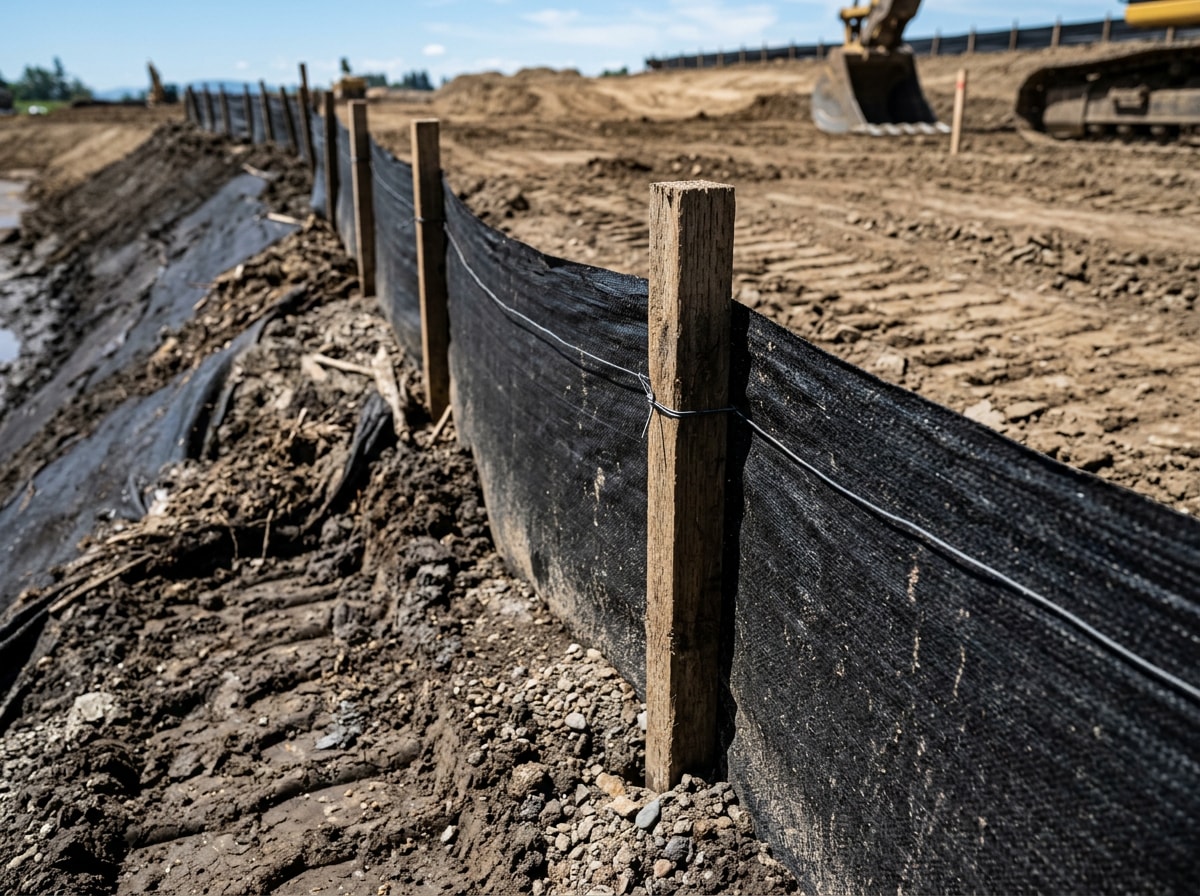
In Maryland, erosion and sediment control isn't a courtesy step, it's state law. Under COMAR 26.17.01, the Code of Maryland Regulations provides the Administration with the responsibility to establish policies, procedures, standards, and criteria relating to erosion and sediment control.
Construction activities that disturb at least 5,000 square feet or 100 cubic yards of earth must follow a plan approved by a local Soil Conservation District.
Skipping this step isn't a shortcut, it's a liability. Maryland law allows a misdemeanor fine of up to $25,000 per violation for unpermitted land disturbance, on top of the cost of resetting the project timeline.
Review timelines also vary by county. Some jurisdictions turn around a standard residential erosion and sediment control plan in a couple of weeks; others take longer on larger parcels or when additional stormwater review applies. Even a short gap in approval time can push back a project's start date, so building in a buffer before groundbreaking is worth it.
Why Working With a Professional Maryland Site Prep Contractor Matters
A successful build starts with excavation done right, not just digging holes, but setting the stage for everything that follows. The wrong contractor can cost a project weeks in permit delays or thousands in rework. Here's how to vet one before signing anything.
4 Essential Steps to Hiring the Right Excavation Contractor
Before hiring an excavation contractor, confirm they're licensed and insured, and that they know the soil composition and permitting requirements of your specific Maryland county. A contractor familiar with local permitting offices and regional soil behavior can spot problems, like unstable fill soil or a slow-moving permit office, before they turn into costly delays.
Use this checklist before calling anyone:
| Green Flags | Red Flags |
|---|---|
| Active MHIC license you can verify online | Can't provide a license number on request |
| Proof of liability and workers' comp insurance | "Insurance available on request," no documentation |
| Knows your county's permitting process by name | Vague about which permits your project needs |
| Written, itemized estimate | Verbal estimate with no scope breakdown |
Print this table, or screenshot it, before your first call. It's the fastest way to filter out unqualified bidders without wasting a site visit.
From Site Work to Signature Spaces
Grading, drainage, and permitting are only the first chapter. Once a lot is cleared and the foundation is set, the build-out is where a property actually earns its value, especially below grade, where luxury basement renovations and custom luxury wine cellars turn unfinished square footage into the most-used rooms in the house. If your Maryland project is further along, past grading and into design, our Signature Spaces team handles everything from wine cellars and bar builds to custom saunas. For readers planning a custom build just across the Potomac, our guide to hiring a custom home general contractor in Virginia covers the same vetting logic from the general contractor side.
Visit our homepage to see the full scope of our design-build work, or start your cellar project once the dirt work is done and it's time to build the space you actually wanted all along.
FAQ
What Does Site Preparation Include?
Site preparation is the first phase of any construction or land development project, the work that turns raw land into a clean, stable, ready-to-build surface. It typically includes land clearing (removing trees, stumps, brush, and vegetation), grading, drainage installation, and excavation, completed in that general order before construction begins.
What's the Difference Between Land Clearing and Site Preparation?
Land clearing removes trees, brush, stumps, and surface obstacles from a lot. It's the first task, not the whole job. Site preparation is the broader, more technical phase that follows clearing, covering grading, soil compaction, and drainage work needed before a foundation can go in.
How Much Does Site Preparation Cost in Maryland?
Costs vary widely based on lot size, soil conditions, slope, and county permitting fees. Here's a rough starting point for budgeting:
| Cost Item | Typical Range |
|---|---|
| Stand-alone survey staking (if not bundled) | $800–$2,500 |
| Grading and leveling | Several thousand dollars, scales with lot size |
| Stump removal and grinding | Varies with tree count and root mass |
| Permit and plan review fees | Set by each county, varies by jurisdiction |
A wooded, sloped lot in a county with slower erosion and sediment control review will cost more and take longer than a flat, cleared parcel.
Do I Need a Permit for Site Preparation in Maryland?
In most cases, yes. Plan approval is required for any construction activity that disturbs 5,000 square feet or more of soil, or results in the excavation of 100 cubic yards or more of soil. Requirements, fees, and review timelines vary by county, so check your local jurisdiction's process through the Maryland OneStop permitting portal before scheduling any excavation.
How Long Does Site Preparation Take in Maryland?
For a typical residential lot, expect anywhere from a few weeks to a couple of months once permits are filed, depending on lot size, tree cover, slope, and how quickly the county's soil conservation district reviews the erosion and sediment control plan. Wooded or steeply sloped lots, and counties with slower plan review, push that timeline out further.