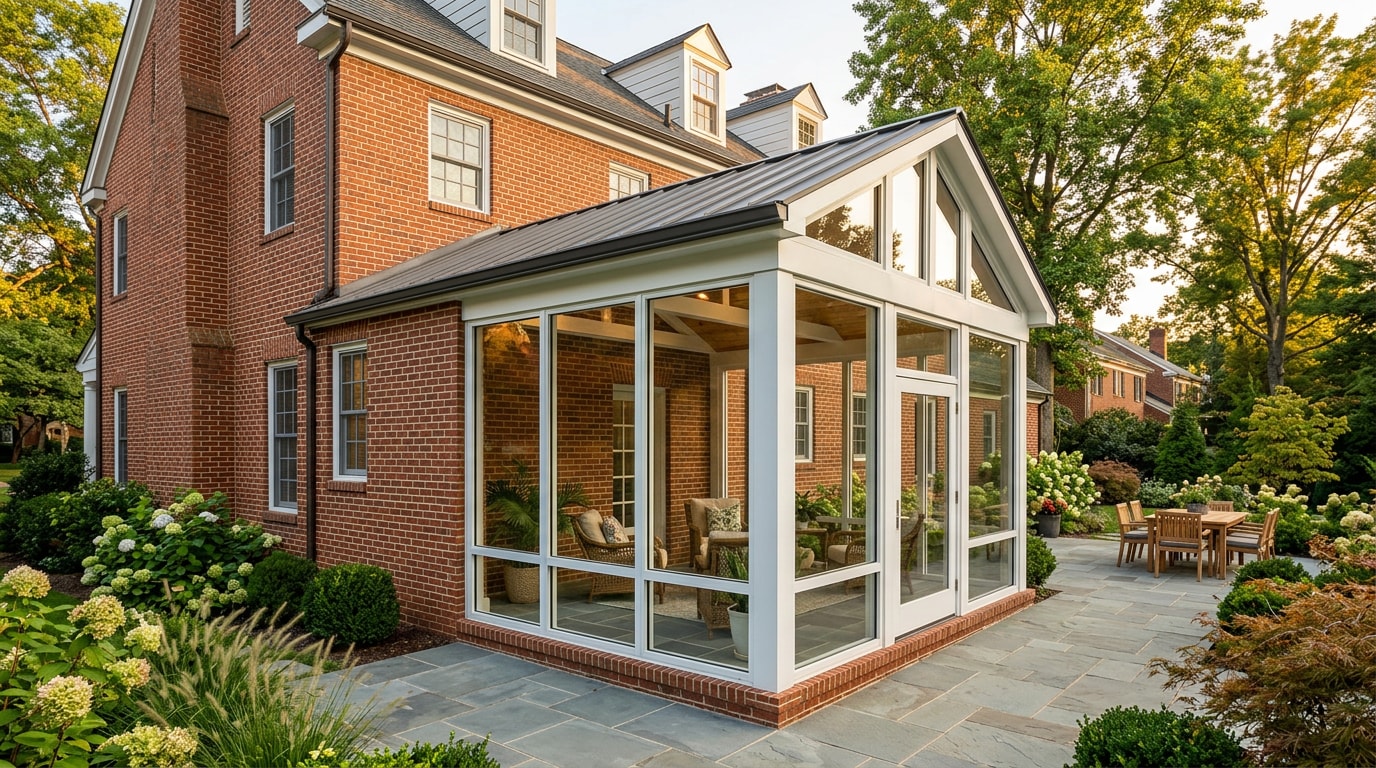
Sunroom construction in Virginia costs anywhere from $15,000 for a small three-season conversion to $150,000 or more for a fully custom, four-season glass room. Season type, foundation choice, and glazing quality swing that price more than any single material decision. This guide breaks down 2026 pricing, the permit classification Virginia inspectors actually check against, and what separates a sunroom that survives a Virginia winter from one that doesn't.
How Much Does Sunroom Construction Cost in Virginia?
Three variables drive most of the price: square footage, whether the room is heated and cooled year-round, and glazing quality. The table below sets realistic 2026 ranges by type and size so you can cross-check a contractor's quote against market norms.
Sunroom Cost by Type and Size
| Sunroom Type | Typical Size | 2026 Cost Range |
|---|---|---|
| Porch-to-sunroom conversion | 150–200 sq ft | $15,000 – $30,000 |
| Three-season sunroom | 200–300 sq ft | $25,000 – $55,000 |
| Four-season sunroom | 200–300 sq ft | $45,000 – $90,000 |
| Large custom or luxury sunroom | 400+ sq ft | $90,000 – $150,000+ |
Cost per square foot generally runs $100 to $250 in Virginia, with four-season rooms climbing toward the top of that range once insulation, upgraded glazing, and an HVAC tie-in enter the budget.

What Affects Sunroom Construction Cost in Virginia
Beyond square footage, three line items move a sunroom budget the most: what's underneath it, how it's climate-controlled, and what kind of glass goes in.
Foundation and Site Work
Site conditions can add $5,000 to $20,000 to a project. If a sunroom needs a new crawl space or slab rather than building on an existing deck, expect costs on the higher end. Soil conditions, grading, drainage, and any reinforcement to an existing structure all factor into that number before framing even starts.
HVAC and Insulation
A genuine four-season insulation package, tied into the home's existing HVAC system, typically adds $3,000 to $8,000. Three-season rooms skip this cost but trade away year-round comfort. Virginia's humid summers and cold winters make that trade-off worth weighing against how the room will actually be used.
Glass and Window Quality
Double-pane, low-E glass packages cost more upfront than single-pane alternatives but cut energy loss significantly. ENERGY STAR-certified low-E glass reflects heat in summer and holds it in during winter, which matters in a sunroom where glass makes up most of the exterior wall. Cheaper single-pane windows often lead to higher heating and cooling bills for the life of the room.
The Sunroom Classification Virginia Inspectors Actually Use
Most cost guides skip this, but it directly affects your permit scope and your HVAC decision. Virginia enforces the International Residential Code (IRC) through the Virginia Uniform Statewide Building Code, and the IRC doesn't treat "sunroom" as one generic category.
Under IRC Section R301.2.1.1.1, sunrooms must comply with the AAMA/NPEA/NSA 2100 standard, which sorts them into five categories:
- Category I: Open or screened walls, nonhabitable, unconditioned.
- Category II: Enclosed with glass or plastic glazing, nonhabitable, unconditioned.
- Category III: Same as Category II with added air- and water-infiltration requirements.
- Category IV: Enclosed, thermally isolated, heated or cooled separately from the main house, still nonhabitable.
- Category V: Enclosed, heated or cooled, open to the main structure, and classified as habitable, conditioned space.
A three-season room usually falls into Category I through III. A true four-season sunroom tied into the home's HVAC and counted as livable square footage lands in Category IV or V, which triggers stricter fenestration and thermal performance rules. Knowing which category your project falls into before you call a contractor helps you ask sharper questions about what's actually included in a quote.
Three-Season vs. Four-Season Sunrooms: Which Fits Your Virginia Home
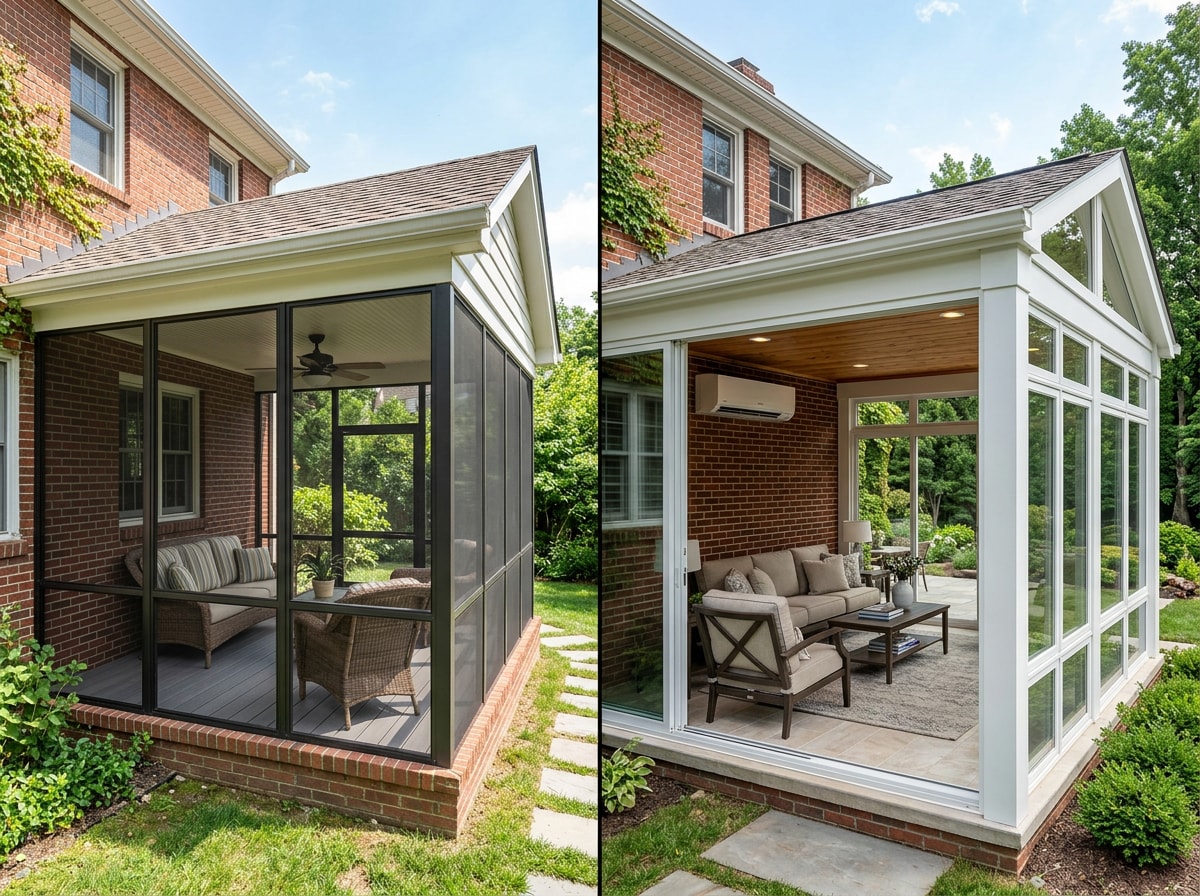
A three-season sunroom is an enclosed space without central heating or air conditioning, built mainly for spring, summer, and fall use. It's not insulated against extreme temperatures, so it can feel uncomfortable during Virginia's coldest stretches or its most humid weeks. Homeowners typically choose this option to save money upfront and accept limited use in January and February.
A four-season sunroom costs more because it's built to the same insulation and HVAC standard as the rest of the house. It sees daily use regardless of weather, which matters if the room is meant to function as a den, office, or everyday living space rather than an occasional retreat.
Do You Need a Permit for a Sunroom in Virginia?
Yes. Permits are standard for sunroom construction in Virginia, not an exception. The Virginia Uniform Statewide Building Code requires a permit for any construction involving structural components, electrical wiring, or mechanical systems, and local counties and cities administer the applications while reviewing zoning, setbacks, and drainage.
Building a sunroom usually involves three layers of approval:
- Building permit covering foundation, framing, and structural work.
- Electrical and mechanical permits if the room gets outlets, lighting, or an HVAC tie-in.
- Zoning and, where applicable, HOA review covering setbacks and exterior appearance.
Expect to submit a site plan, dimensions, foundation details, and electrical or mechanical plans as part of the application. Requirements and fee schedules vary by county, so check with your local building department before finalizing a budget. For broader context on how Virginia additions move through permitting, see our home addition builder guide for Virginia.
Is a Sunroom Worth the Investment in Virginia?
Returns vary by market, build quality, and whether the room qualifies as conditioned living space on an appraisal. Industry cost-versus-value data generally places sunroom recoup somewhere between 40% and 70% of construction cost at resale, with four-season rooms that count as true living space typically landing at the higher end and unconditioned three-season rooms at the lower end. Treat any single percentage as a guideline, not a guarantee, for your specific property.
Beyond resale math, a sunroom adds daily living space that pays off in comfort long before a sale happens. A well-built four-season room can also widen a home's appeal to buyers who want flexible space without a full addition.
Working With a Design-Build Team vs. a Sunroom-Only Installer
A sunroom-only installer is efficient for a straightforward kit addition. A design-build firm earns its fee when the project gets complicated, which happens more often than homeowners expect.
In our own Virginia projects, the most common cost surprise isn't the glass or the HVAC. It's the deck underneath. Many existing decks were built to hold furniture and foot traffic, not the roof load, wall weight, and foundation demands of a permanent enclosed room, and that gap often doesn't show up until a structural engineer looks at the footings.
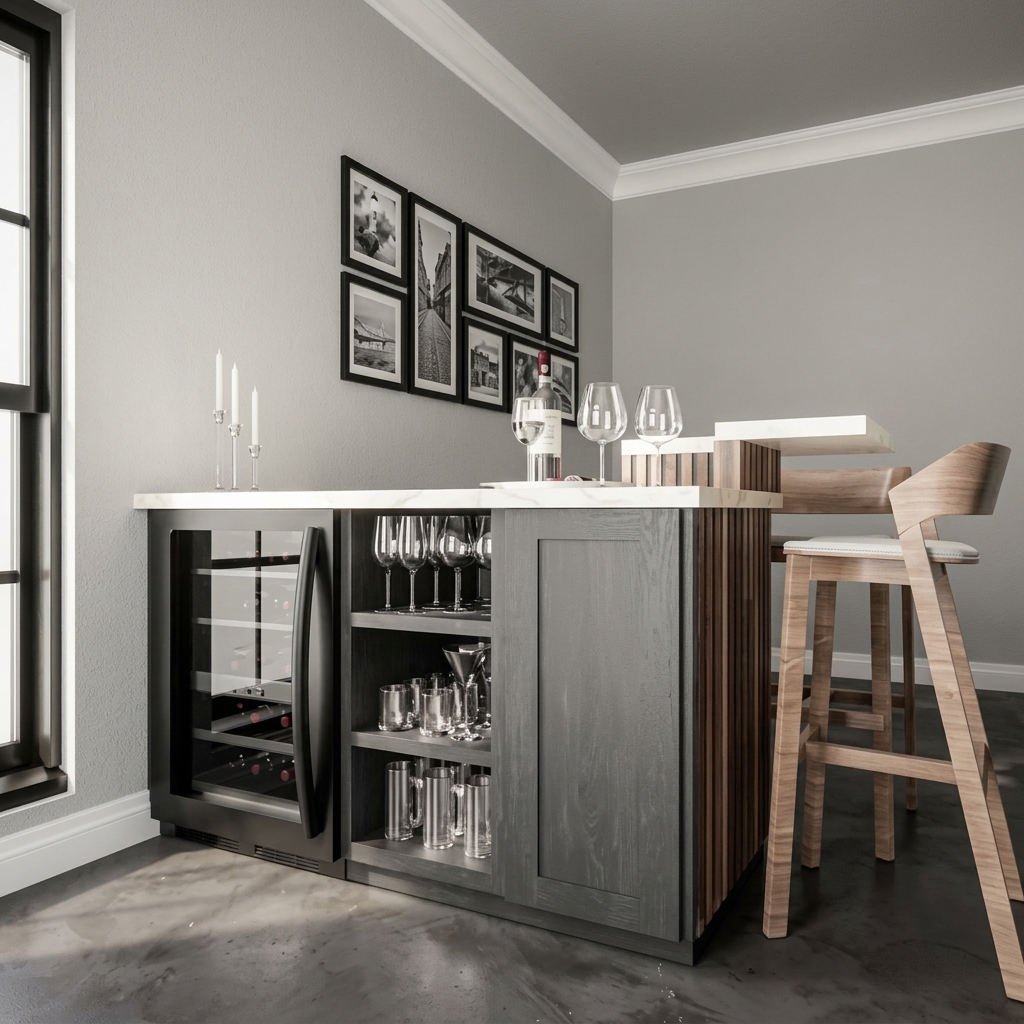
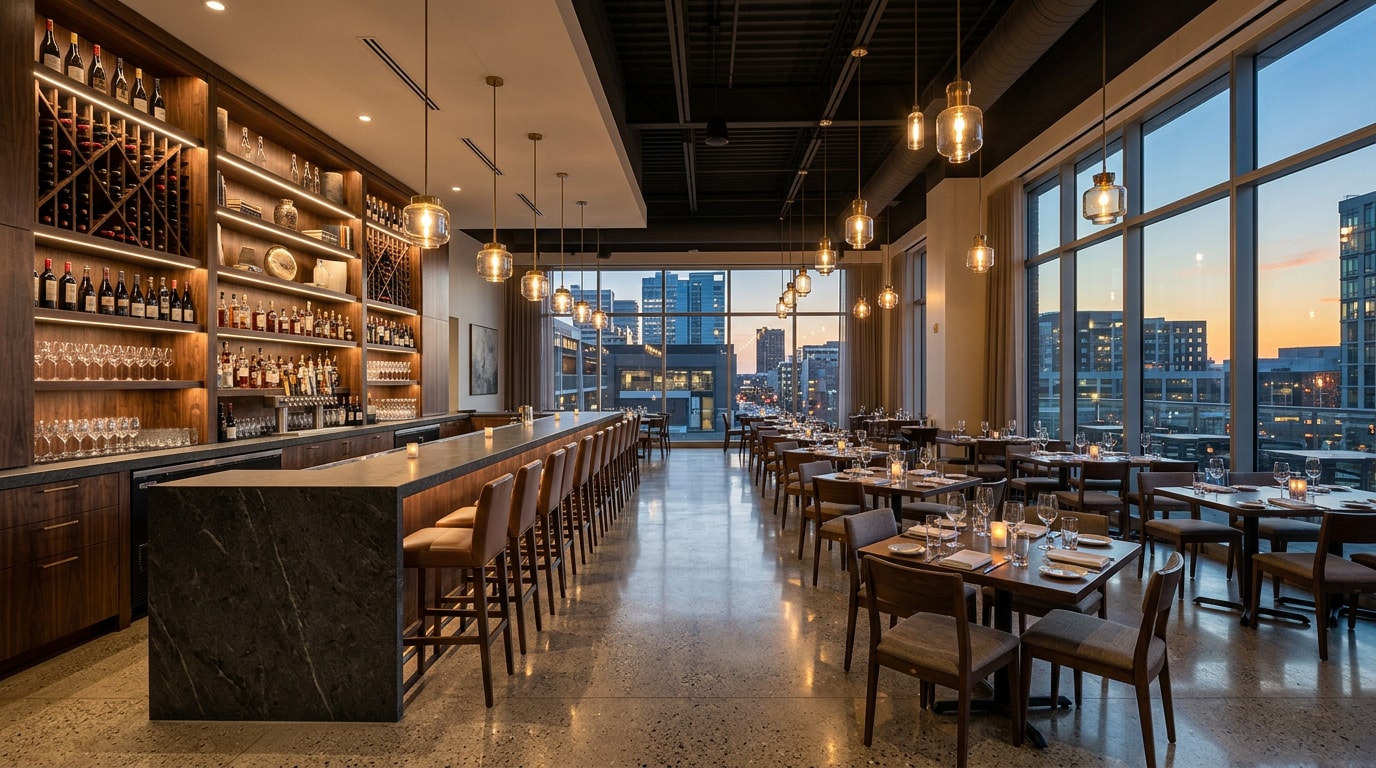
A team that also handles high-end remodeling can catch that kind of issue during the design phase instead of mid-construction. It also means the sunroom can be planned alongside other upgrades, like a connected custom luxury wine cellar or upscale bar design and build, rather than treated as an isolated bolt-on. Explore the full range of signature spaces we build across the Virginia market before you lock in a scope.
Ready to talk specifics? Start Your Cellar Project and our design-build team will walk through sizing, glazing, and permit scope for your property.
FAQ
Do I need a permit for a sunroom in Virginia?
In most cases, yes. A structural sunroom generally requires a building permit, with electrical and mechanical work sometimes needing separate permits depending on the county or city. A reputable contractor typically handles the permitting process for you.
How much does a 200-square-foot sunroom cost in Virginia?
Expect roughly $25,000 to $55,000 for a three-season room that size, or $45,000 to $90,000 for a four-season room with insulation, upgraded glazing, and an HVAC tie-in. Foundation type and site conditions can push either figure higher.
Does a sunroom add value to a Virginia home?
Generally, yes, though the return varies by market. Four-season rooms that count as conditioned living space tend to recoup more at resale than unconditioned three-season rooms, which some appraisers don't count as full living square footage.
Can I build a sunroom on an existing deck or porch?
Often, yes, but the deck has to be engineered for it. Many decks aren't built to carry the roof load, wall weight, and foundation demands of an enclosed room, so a structural review is a standard first step before design work begins.
Is a three-season room cheaper than a four-season sunroom?
Yes. Three-season rooms skip insulation, upgraded glazing, and HVAC tie-in costs, which typically keeps them $15,000 to $35,000 less expensive than a comparably sized four-season room.
How long does sunroom construction take in Virginia?
Most projects run eight to sixteen weeks from permit approval to completion, depending on foundation type, custom glazing lead times, and the local permitting timeline.
Can structural problems increase the cost?
Yes. Many existing decks weren't designed to handle the enclosure weight, roof loads, and foundation demands of a permanent sunroom, which can trigger added structural upgrade costs during a deck-to-sunroom conversion.
Our team has guided homeowners across Washington D.C., Virginia, Maryland, and Delaware through additions like this. Visit our homepage to see the full scope of spaces we design and build, or contact us to start scoping your sunroom.